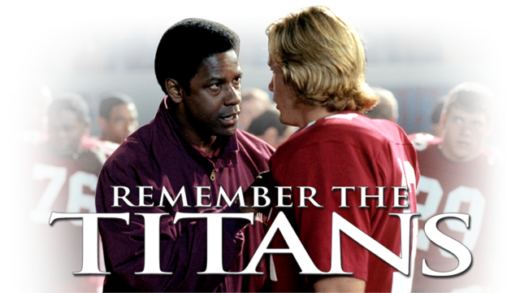
From email announcement:
Community Movie Night
Friday, October 13
7:00 pm
Pleasants Park

As always, free refreshments served:
grilled hot dogs, sides, dessert, and beverage

From email announcement:
Community Movie Night
Friday, October 13
7:00 pm
Pleasants Park
As always, free refreshments served:
grilled hot dogs, sides, dessert, and beverage
There will be restricted parking in Oregon Hill this year for the this year’s 13th Annual Richmond Folk Festival.
Councilperson Parker Agelasto announced this at last night’s City Council meeting and OHNA President Jennifer Hancock confirmed that they are going over plans now.
Some portions of the neighborhood will be password protected for residents and some barricaded streets will be in effect.
While many neighbors are thankful and relieved to hear this, it is somewhat curious. With the roundabout construction, the route through or into the neighborhood is going to be congested anyway. There have been a few complaints from Southside residents about the lack of a Folk Festival bus shuttle to/from Southside. While the schedule is definitely rich in fantastic talent that should not be missed, there are no huge, blockbuster, headliner names. The Tredegar Civil War Center construction will also take up a lot of space that was previously used for the Festival.
In other words, while folks should look forward to attending the Richmond Folk Festival and expect to hear some great music, and certainly encourage others do so also, it seems like it will be purposely smaller this year. It’s a good year to use mass transit or ride bicycles to the Festival.
I forgot to do the ‘Sunday Scratcher’ yesterday, so here is a ‘Monday Scratcher’ to make up for it.
While we are gambling, please wish good luck to China Street neighbor ‘Stomp Stomp Dave’ as he takes part in the Baja Bean season poker finals tonight.
IMG_1504 from Scott Burger on Vimeo.
From announcement:
Community Movie Night
Friday, September 22
7:00 pm
Pleasants Park

Free refreshments served: grilled hot dogs, sides, dessert, and beverage
The air blowing into the open window was warm enough to warn of the heat to come but not yet unpleasant. The wipers smeared their way back and forth across the greasy windshield, trying to erase the light drizzle that had begun to fall. The homeless were already busy making their way through the late summer fog, eyes wild and blazing. A group of three staggered like the undead toward the Belvedere 7-Eleven that was behind my old house on Pine. It was almost six o’clock — when they started selling booze again. We rolled our small convoy urgently past them and got it on further downtown, supercans rattling around in the steel cage that formed the bed of the stake body truck, the bags inside the cans whipping recklessly in the wind.
So begins a new novel by Clay Blancett, entitled The Avenue of Champions. You can read the rest of the first chapter on his blog, fig.1-Worm Drive.
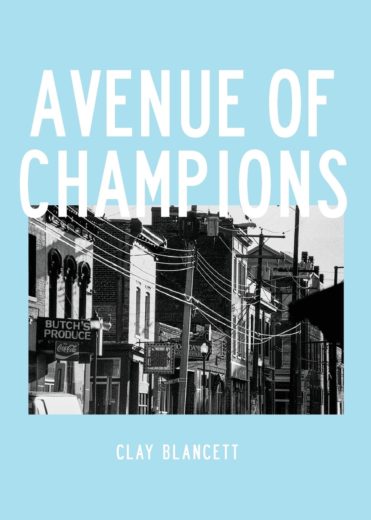
The whole thing just became available on Amazon. Here’s the summary from there:
A recently divorced single father struggles to maintain his identity and integrity working for the City of Richmond’s Solid Waste pick up. The protagonist negotiates the environments of manual labor and family life while trying to avoid the costs of his alcoholism on his family, his past, and his sense of himself. Nearly brought to suicide, the protagonist survives by discovering the basic beauty of the humanity he shares with the people he works with.
I have posted before about authors before who include Oregon Hill in their stories. Of course I have followed Howard Owen, with his detective thriller, Oregon Hill, but don’t forget the post-plague Harbor On The Hill. I would love to post more.
From email announcement:
Community Movie Night
Friday, September 8
@ 7:30 pm
Pleasants Park