From today’s Richmond Police Daily Crime Report:
1st Precinct
AGGRAVATED ASSAULT
Belle Isle 9:30 p.m.
A group of males reported they were assaulted by a group of males.
I am guessing this was last night?

From today’s Richmond Police Daily Crime Report:
1st Precinct
AGGRAVATED ASSAULT
Belle Isle 9:30 p.m.
A group of males reported they were assaulted by a group of males.
I am guessing this was last night?
From City press release:
All residents are invited and encouraged to attend
WHAT The Richmond City Council GRTC and Transit Study Task Force will hold a meeting. The purpose of the Task Force is to make recommendations to Richmond City Council with regard to enhancing mass transit in the Metro-Richmond area and the efficiency and effectiveness of the GRTC Transit System. The meeting is free and open to the public and all residents are invited and encouraged to attend.
WHEN Thursday, May 10, 2012
4:00-6:00 p.m.WHERE Richmond Department of Economic Development
Richmond Main Street Station – 3rd Floor Conference Room
1500 East Main Street; Richmond, Virginia 23219
(PARKING: Free parking is available on the west side of the building by using the Franklin Street Entrance and using the lot below the Interstate. When facing the Train Station from the Franklin Street Entrance, make a right and park towards the Clock Tower end. When facing the building from the parking lot, the entrance door to the Richmond Department of Economic Development is located on the right of the building.)WHO Members of the Richmond City Council GRTC and Transit Study Task Force
CONTACT For more information, please contact Councilman Bruce W. Tyler, Richmond City Council, West End 1st District, at 804.357.6007; or bruce.tyler@richmondgov.com.
From FaceBook event page:
It’s finally here! The championship!! We have selected 6 lucky finalists! Come on and watch as they compete to become the ultimate karaoke champion!!
All 6 finalists will need to be at Mojos before karaoke starts, before 10:30 pm. At that time they will need to give our DJ the 3 songs you will perform to win the BUSCH GARDENS SEASON PASS!!
We will be looking for crowd reaction to select our winner, so make sure you bring all your friends!!!
If all 6 finalists aren’t there at 10:30, we just might pick some wild cards… so everyone is encouraged to come ready to win!
This is the VERY LAST night of karaoke at Mojos!! So let’s make sure we make it a good one!!!
See you all there!!
From Sierra Club Falls of the James group website:
VCU GOES GREEN – Solar and Renewable Energy
The Science Museum is unavailable, so we will be meeting at VCU for an update on its Sustainability and Going Green initiatives and tour several of its new and retrofitted buildings.
We will meet on Wednesday, May 9th at 7 PM at the top of the VCU West Broad Street Parking Deck (the multi-use structure at Broad & Harrison). This is not our usual location!
This event is the FoJG General Membership Meeting for May 2012. FoJG hosts General Membership Meetings at 7 PM on the second Wednesday of each month from September through May. They are always FREE and the public is invited to attend.
Also, don’t forget their U of R yard sale this Saturday. See website for details.
From Richmond Police department:
4th Precinct
DEATH INVESTIGATION
5/6/12 7:16 a.m.
600 block of South Laurel Street
A male was found deceased inside a residence at the above location. Medical Examiner’s Office to determine cause of death.
From the Valentine Richmond History Center:
May 19 History Hounds Explore Hollywood Cemetery (10am-12pm) WALKING TOUR
Dogs are invited to join their owners for this walking tour of Hollywood Cemetery, in partnership with the SPCA. Dogs must have current shots, mix well with others and remain on a leash. Owners are responsible for water and cleaning up after their dogs. Space is limited. Reservations required: (804) 649-0711 x301. Meet outside the cemetery gates at Cherry and Albemarle streets.
From neighbor:
The estate sale at 409 1/2 S. Laurel will be back on this Saturday from 9:00 am – 3:00 pm. Please come out and check out some treasures!
A lot of things happening around downtown this Saturday:
President Obama (and Coach Smart) is speaking at VCU, so beware of traffic craziness in that direction. (Maybe someone else will speak up…)
Although a bit out of the neighborhood, bicycle riders will converge at Dove Street and Richmond Henrico Turnpike at 10 am for the long awaited ribbon cutting of the Cannon Creek Greenway. It will be interesting to see how this and other greenway connections contribute to the Cap2Cap Trail (click here for their ride next weekend) and the East Coast Greenway. According to the latest riverfront planning, the East Coast Greenway will include the pedestrian bridge under Belle Island.
As mentioned here earlier, Oregon Hill’s closest branch of the Richmond Public Library, the Main branch, will be hosting the Friends of the Richmond Public Library Book Sale. Across 2nd Street from the Main library, the Richmond Hostel will be hosting a yard sale from 9 am to noon.
Also, Asian Festival at the Richmond Convention Center and Que Pasa Festival on the Canal Walk.
And then, closer to home, Medea Benjamin will be appearing at the William Byrd Community House from 7 pm to 9 pm at a Defenders meeting. Medea Benjamin is promoting her new book called Drone Warfare.
From Richmond.com :
Sure, Café 821 won our Best Burger award last year. But the VCU hotspot is also known for vegetarian-friendly fare like the fried artichoke sub, vegan chili, and buffalo tofu sandwich.
No, I am not quoting new Overlook owners- it’s the title of the first movie of the season!
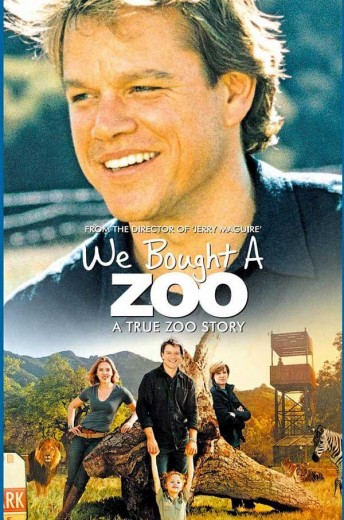
Community Move Night
Friday, May 4
7:00 pm
Pleasants Park
Refreshments served: Grilled hot dogs, chips, and beverage
Special thanks to Rev. Turner and Pine Street Baptist Church!