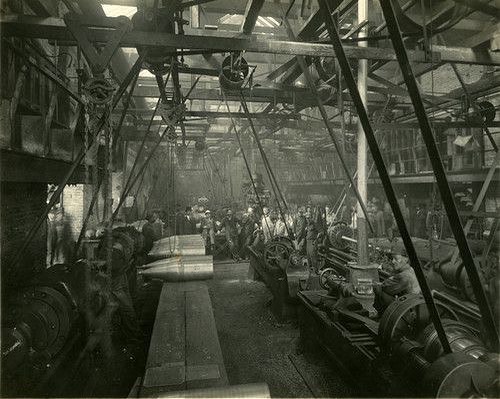
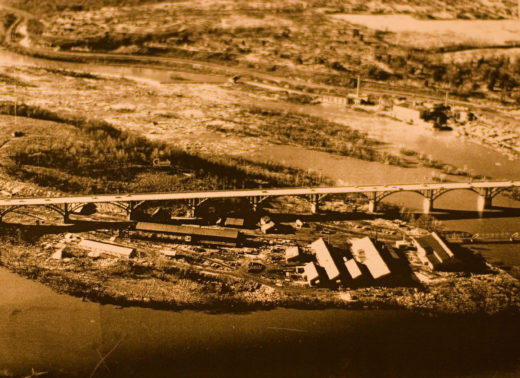
Tredegar Circa World War I

Stealing from Dogtown Dish’s FaceBook feed for this ‘Throwback Thursday’ post:

Tredegar Ironworks During World War I, Richmond, VA. Date: Circa 1914-1918. “An interior photograph of the machine shop at the Tredegar ironworks shows production taking place during World War I. Though by late in the nineteenth century Tredegar had lost its position as one of the premier southern industrial enterprises, the company survived as a manufacturing entity into the 1980s.” Credit: Encyclopedia Virginia

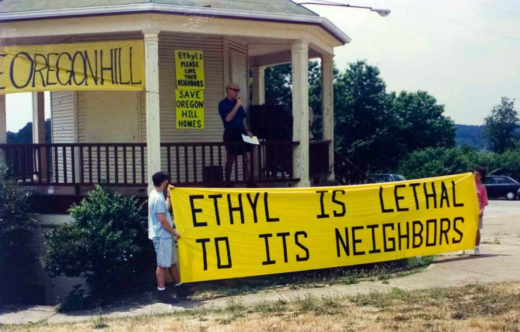
‘Ethyl Is Lethal To It’s Neighbors’

A recent article in the The Nation magazine opened with this provocative statement- ‘Today, thanks in part to the efforts of a single Virginia family, as many as 97 percent of Americans have toxic flame retardants in their blood.” While it goes on to look at the insidious chemical industry and in particular Richmond’s Gottwald family and what was the Ethyl Corporation, it prompted some old Oregon Hill memories to resurface.

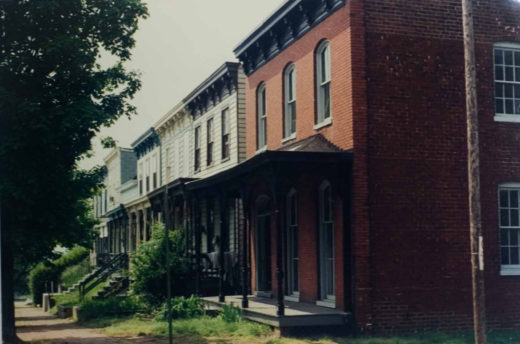
Besides its questionable international trade practices, the Ethyl Corporation bought a large swath of Oregon Hill overlooking the river and tore down many of the old houses.

While there are many important aspects to the history- here’s one to remember:

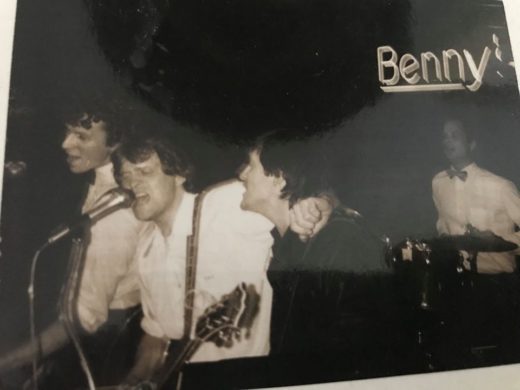
Around this time pubic radio station WCVE broadcasted a national environmental issues show called ‘Living On Earth‘. Worried about offending their main corporate sponsors, local NPR WCVE balked at broadcasting a show that was critical of Ethyl. When Chris Maxwell (an Oregon Hill resident at that time) complained to their board about it, one of them obnoxiously told him to go ahead and start his own radio station then. So Maxwell started Radio Free Richmond Project which eventually lead to WRIR 97.3 fm Richmond Independent Radio. And that is the true story about how WRIR got started- but don’t expect the local corporate media to repeat it. This is an important lesson for Richmond to remember- do NOT always trust large entities to tell the true stories and nonprofits should NOT become dependent on large corporate entities.

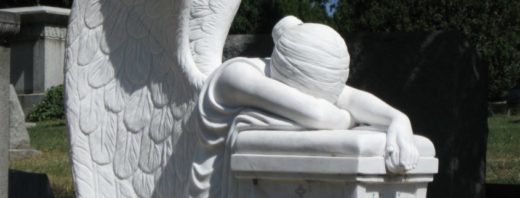
The Women of Hollywood Cemetery Walking Tour

This Saturday, August 11, from 2 to 4 p.m-Explore the role that women’s groups played in Hollywood Cemetery’s history from the Civil War to the present. Visit grave sites of women who were educators, authors, preservationists, suffragists and humanitarians.

Price: $15 Adult, $5 Child, $5 Valentine members
Length: 2 hours
Parking: On Street
Meeting place: Enter at Cherry and Albemarle streets, meet at the rear of the stone structure to the left.

Tour Notes

Advanced tickets are strongly encouraged. Space is limited.
Valentine walking tours are typically between 1-2 miles in length. We recommend you wear comfortable walking shoes and bring water.
Accessibility- People of all abilities are encouraged to join us for tours. If you have accessibility challenges or need accommodation, please let us know in advance.
Tours are held rain or shine. However, in extreme weather a tour may be cancelled. Call 804-649-0711 x 301 to verify the tour will take place.
Admission includes a $5 donation to the Friends of Hollywood Cemetery for ongoing restoration. Tours are made possible through a generous partnership with Hollywood Cemetery.

An Appeal For Intermediate Terminal #3

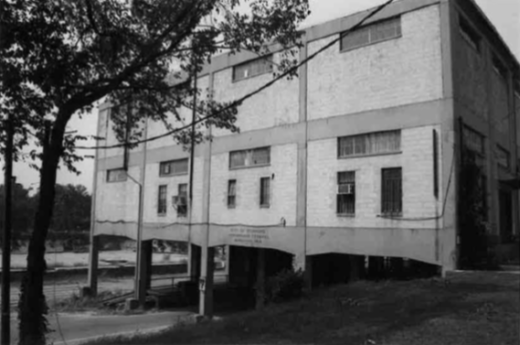
Following up on an earlier post, neighbor Charles Pool has written an appeal to the Advisory Council on Historic Preservation of the recent DHR determination that the Intermediate Terminal is not eligible for listing on the National Register.

In the document linked below, he lists a dozen reasons that the Terminal and adjacent structures are eligible for listing on the National Register and that the demolition of the Terminal would constitute and adverse impact on historic resources.

Pool appeal to the ACHP, NPS and HUD regarding Intermediate Terminal #3, Richmond, VA

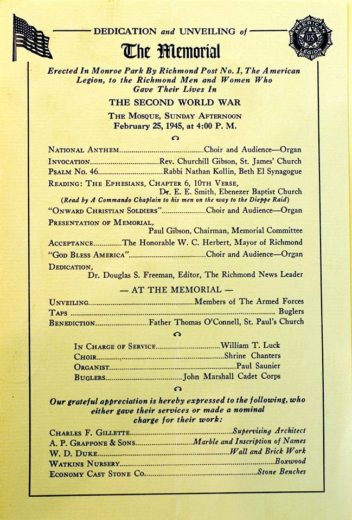
Charles Gillette’s WWII Memorial

Today seems like an appropriate day to follow up on this issue.

Please visit the Cultural Landscape Foundation’s page on Charles Gillette (linked), who designed and supervised construction of Monroe Park’s WWII Memorial.

The imposing 800 amp electrical station which has been installed abutting the Memorial is an eyesore and needs to be moved.
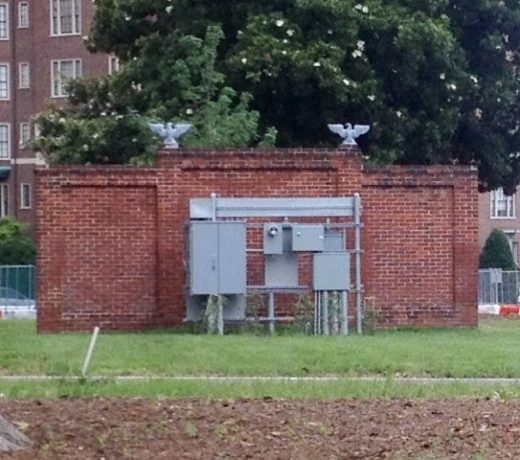
So, public officials, can you please share any updates on this issue? We are most fortunate to even have a Gillette piece in Monroe Park and we simply ask that it be accorded the respect it deserves, especially considering the subject matter- honoring those Richmonders that gave their lives to bestow our right to live freely.

Please also see earlier press release from the Sierra Club Falls of the James, which mentions this issue.

This is a good reminder that this is OUR memorial, in OUR park, in OUR City, in OUR Commonwealth, in OUR country! Or is the collective silence from public officials and the corporate media about Monroe Park’s renovation issues supposed to tell us otherwise?! What’s happened to Monroe Park, a public park, is contrary to American values.

Intermediate Terminal #3, Section 106 Comment, by Charles Pool

This is not Oregon Hill news, but it is newsworthy, and does relate back to the neighborhood’s efforts to preserve Canal and riverfront history. Laurel Street neighbor Charles Pool has submitted a detailed comment in the ongoing Stone Brewing/Intermediate Terminal building controversy. (City Council has delayed voting on the Stone matter six times now!).

Please click here to see the full comment in PDF form.

Summary:
• Intermediate Terminal #3 is a rare resource associated with Richmond’s
important history as a thriving port on the James River.
• The building was completed in 1938 as a New Deal project with federal
funding from the Public Works Administration.
• The Terminal played an important role in the life of the city as a municipally-
owned warehouse for commodities imported (such as sugar from Cuba) and
exported (such as tobacco).
• The Intermediate Terminal #3 in authentic, unaltered condition as
confirmed by the original building blueprints.
• The building is structurally sound, built with steel-reinforced concrete as
confirmed by the building permit, blueprints, building specifications and
visual inspection.
• The Intermediate Terminal #3 is one of the first commercial buildings in
Richmond built on piers to avoid flooding of the James River.
• The building is a low-rise structure that does not adversely impact the
important viewshed from Libby Hill.
• Intermediate Terminal #3 should be preserved as one of the few surviving
landmarks associated with Richmond’s port history.