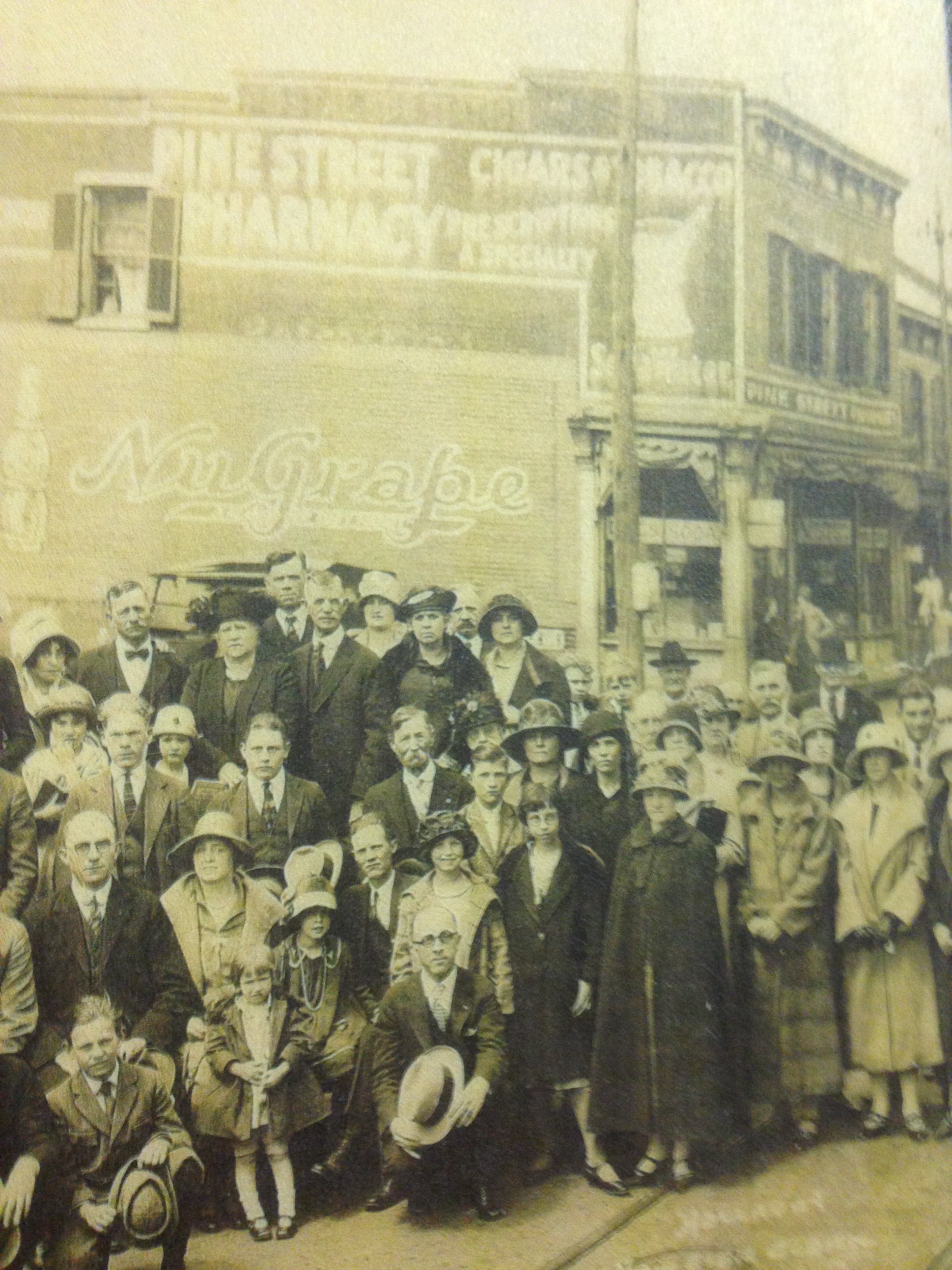
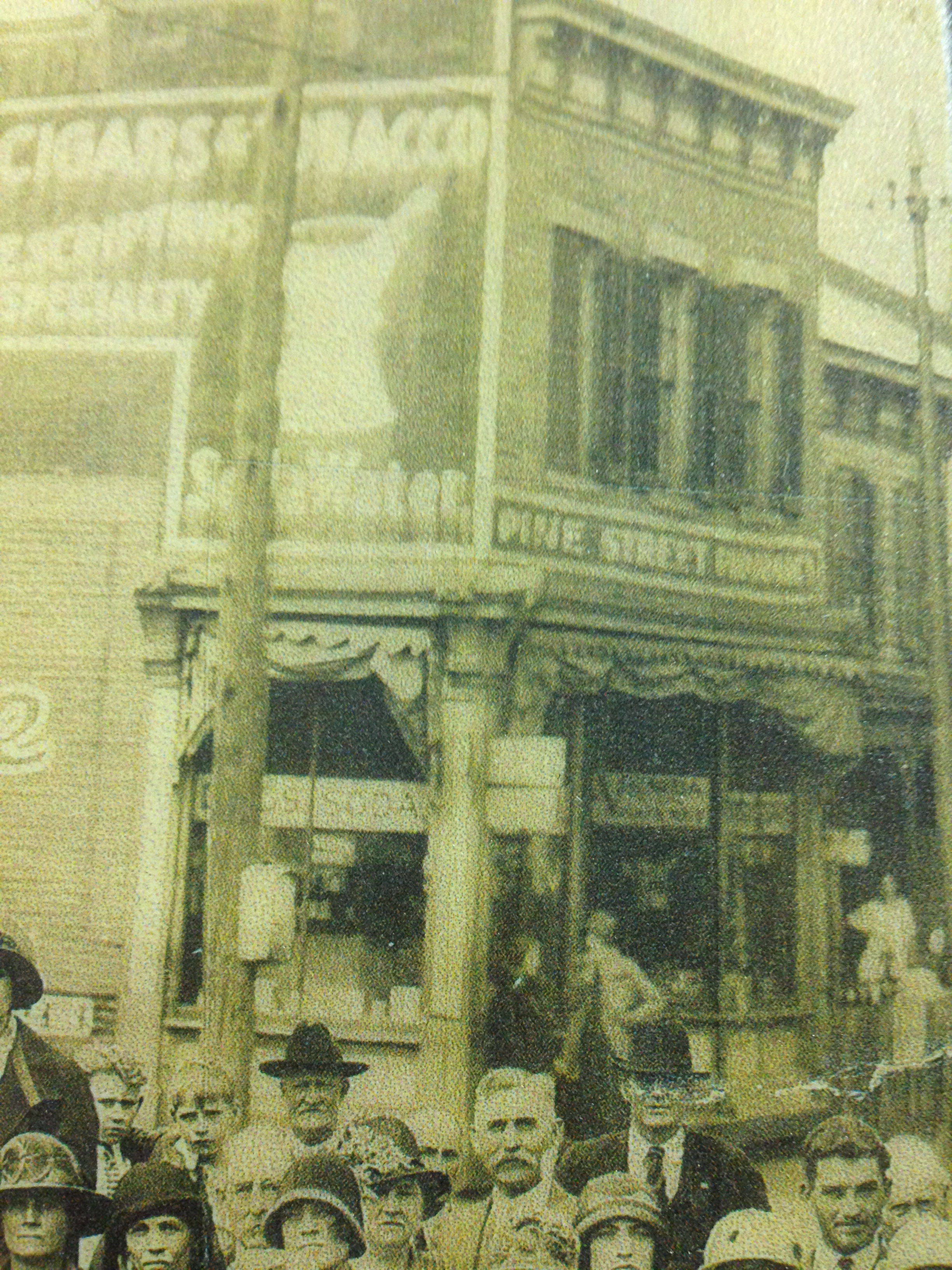
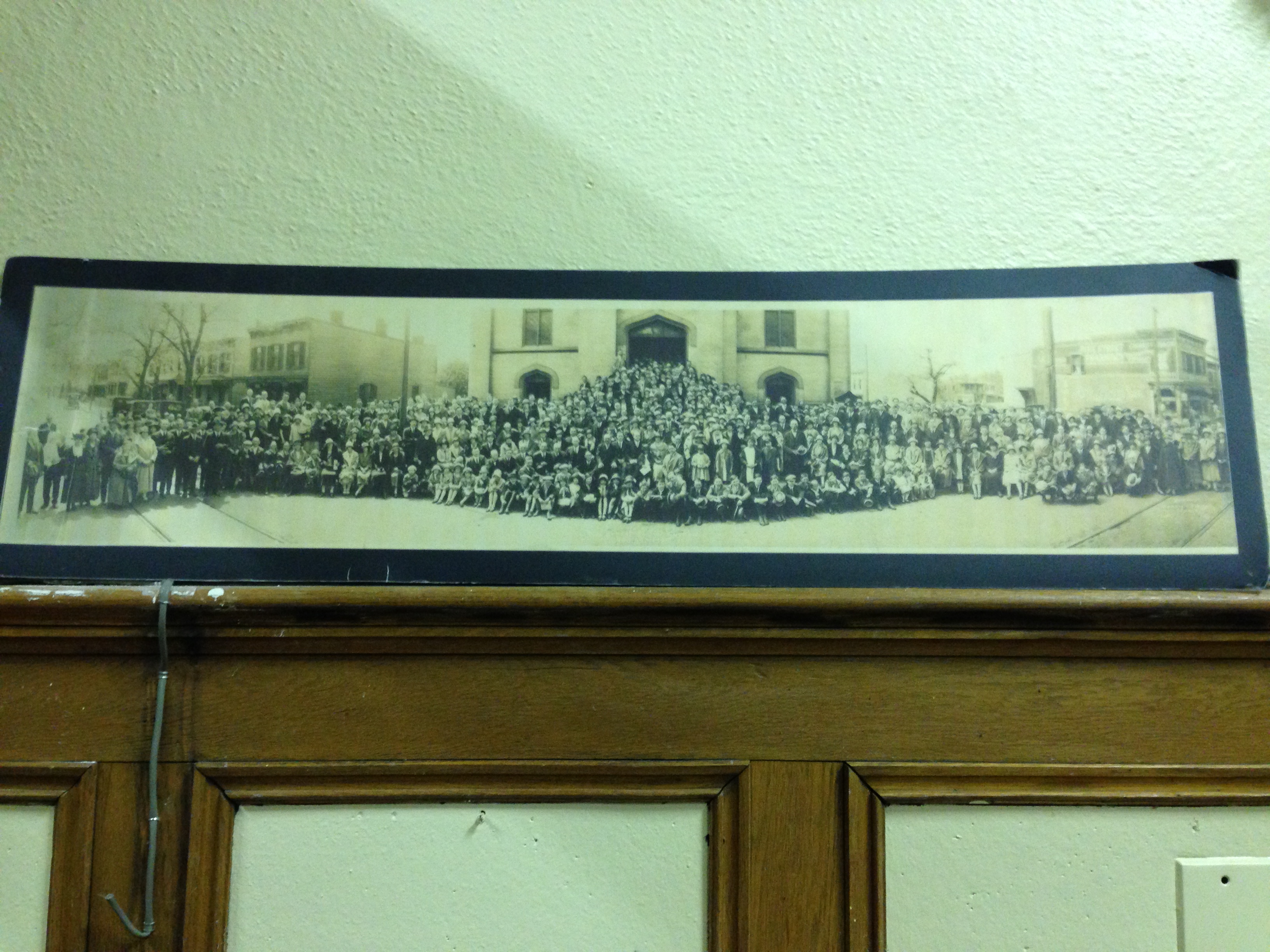
A house that has since been demolished, 326 S. Pine St., was at the location of the Pine St. Baptist Church parking lot on the 300 block of Pine Street. In the first photo, it’s the sliver of a house that is just to the left of the corner pharmacy storefront, which is now Pine Street Barbershop. The overall photo is a panoramic photo of Oregon Hill residents in front of Pine Street Baptist Church, that is currently hung in the William Byrd Community House. As it turns out, the late Senator Benedetti on March 28, 1929 was born at 326 S. Pine St. His father, Carl Vincent Benedetti appears in the city directories at that address from 1926 to 1933. The Senator died last November.


Category Archives: history
VCU Shares Photo Collection On Flickr
An excerpt from today’s press release:
RICHMOND, Va. (March 25, 2015) — VCU Libraries has been named as the 100th institution to take part in Flickr’s The Commons, an online project that seeks to share hidden treasures from the world’s public photography archives.
As part of The Commons, VCU Libraries’ digital special and archival image collections that have no known copyright restrictions will be discoverable through the photo-sharing website Flickr, as well as through search tools that pull public domain images without known copyright restrictions for use and reuse.
“It’s significant,” said Lauren Work, digital collections librarian. “VCU Libraries will be joining an international group of institutions with the goal to increase public access to image collections that have no known copyright restrictions, which connects directly to our educational mission.”
Joining The Commons will greatly increase the discoverability and potential use of VCU Libraries’ image collections. It will also allow the public to share their knowledge of the images, potentially enriching the collections with comments and tags.
Irish History
RVAnews.com has an article on the history of Irish immigrants in Richmond.
Excerpt:
Most Irish men in the 1830s worked to construct the Kanawha Canal, which had been conceived a half-century earlier by George Washington as a means of transporting people and freight from Richmond to the coast. This would have been incomprehensibly grueling labor. The Irish worked alongside slaves to dig deep channels through the hard red clay, knee-deep in mud and at the mercy of the mosquitoes that would have thrived in the stagnant filth. Yellow fever, malaria, and cholera were rampant. After a particularly hot summer in 1838 during which several workers died of exhaustion, about 200 Irish immigrants fled Richmond to seek safer work in the North.
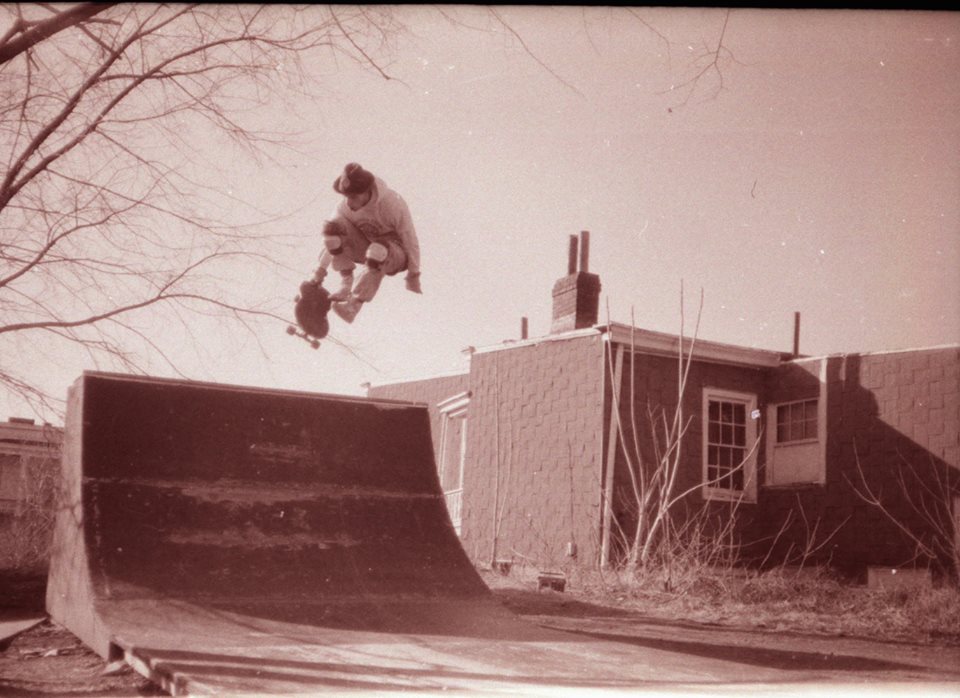
Little Ramp
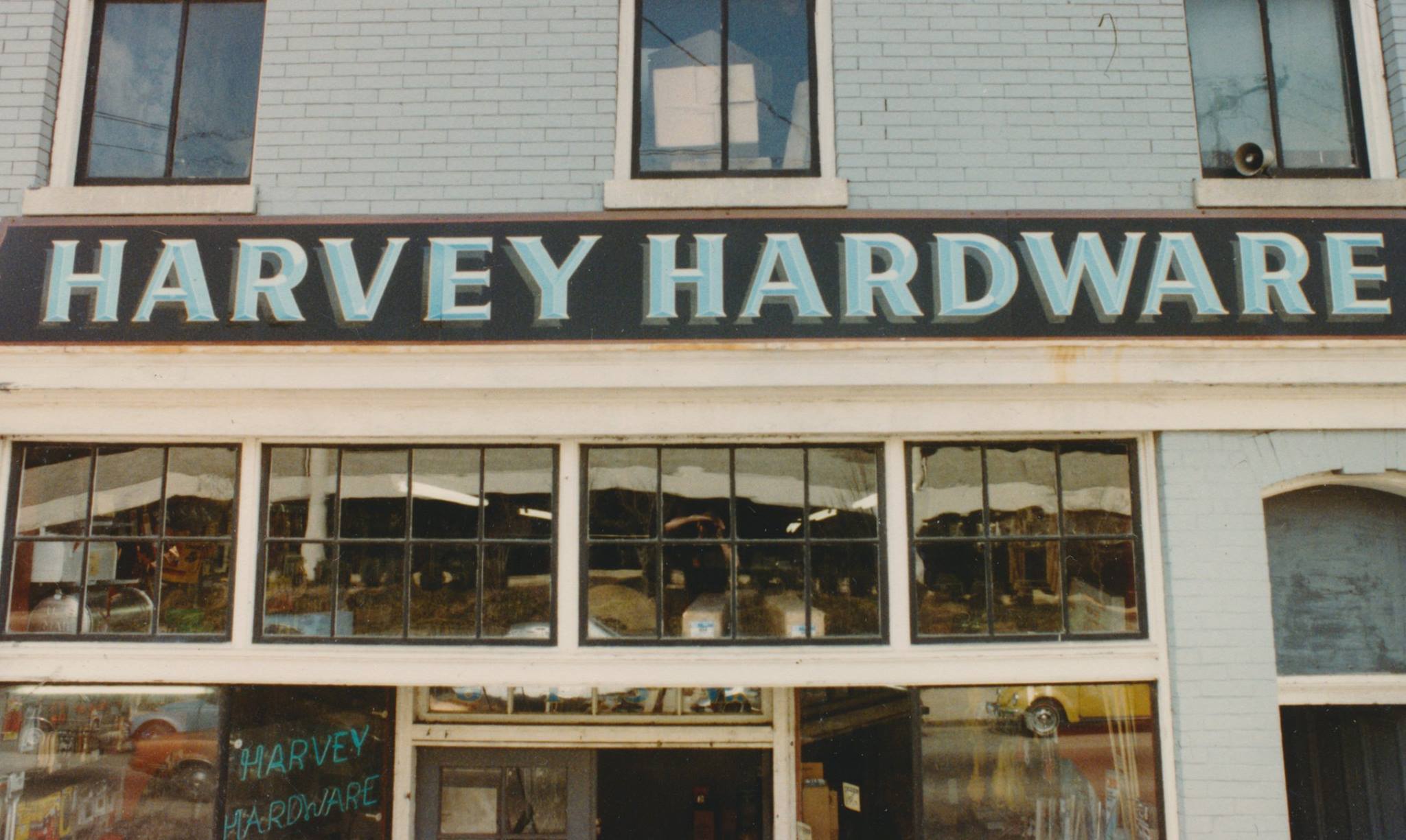
Harvey Hardware
Before SweetFrog on W. Cary Street, there was Harvey Hardware. This 1986 photo comes courtesy of William Pickett, who made the sign.
Richmond Had Rails: a kind of time travel
From Richmond Had Rails FaceBook page:
VCU Libraries today announced the launch of an interactive version of a Richmond map atlas from 1889, allowing for a kind of time travel, because through the use of overlays, viewers may compare the cityscape of then with that of today (courtesy an integration with Google Maps). The application features photos and illustrations due to linkage with VCU Libraries’ extensive collections of antique images.
Of interest to those following the progress of “Richmond Had Rails” is that the Baist Atlas Map received publication just a year after the trolleys started rolling in Richmond. On Panel 16, which surveys Church Hill, you can see the site of the shops where Julian Sprague and his team originated the first ever city-wide electric powered streetcar. The technology utilized then is, with some improvements, still what powers transit throughout the world, when Richmond had rails.
Here’s the interactive Baist Atlas: http://labs.library.vcu.edu/baist-atlas/
And a link to a VCU news story: https://news.vcu.edu/article/Interactive_map_from_1889_reveals_Richmonds_rich_architectural
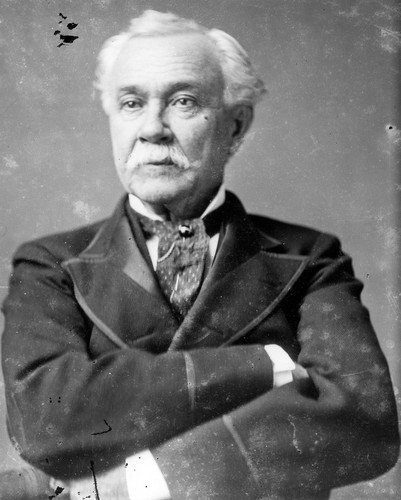
Joseph Reid Anderson’s Birthday
From Hollywood Cemetery’s FaceBook page:
Today is Joseph Reid Anderson’s birthday. After building the Shenandoah Valley Turnpike, Anderson came to Richmond and bought Tredgar Iron Works which quickly became the leading iron foundry in the South. He and his family are buried next to President Tyler in Presidents Circle.
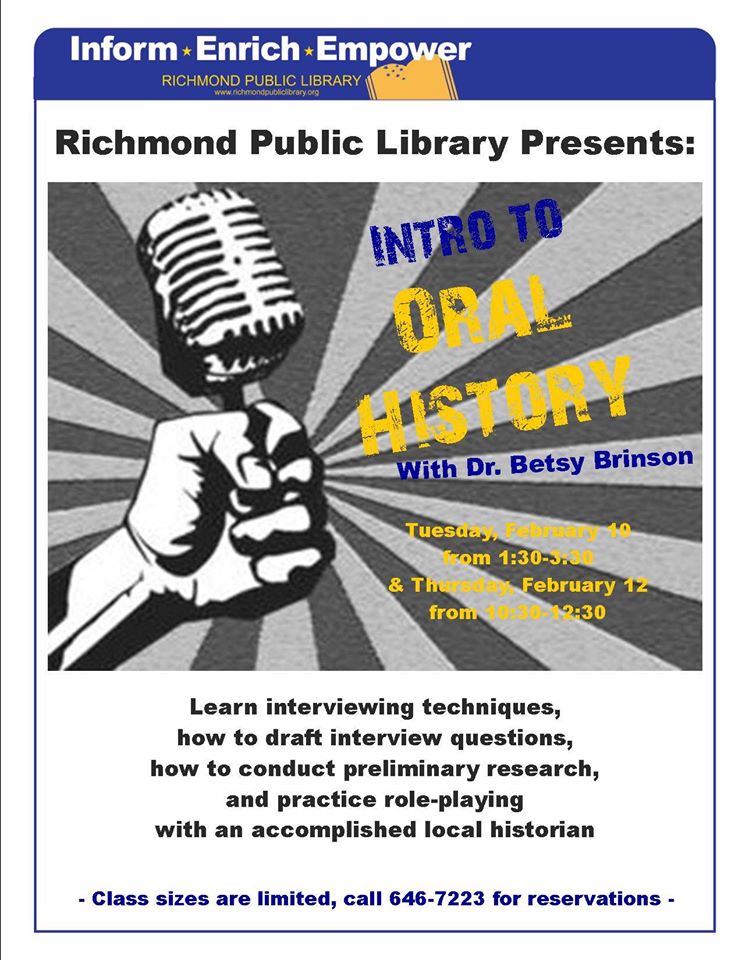
Intro To Oral History at Main Library This Week
From Richmond Public Library announcement:
Learn how to collect stories/ oral histories from your family, friends and interesting people you know in your church, neighborhood and community. We are losing incredible stories daily! Let’s create a core group of folks dedicated to save these stories from our local heroes, characters, activists, leaders, and those who have never been asked to share. Join us with Betsy Brinson, who is giving us her time and sharing information from her years of experience in collecting Oral Histories; Tuesday Feb. 10 1:30-3:00 or Thursday, February 12 from 10:30am- Noon. Space is limited, so call a reserve your space now!
Also, don’t forget that VCU Library has its Oral History Archive in its Digital Collections. Including ones about Oregon Hill.
Photograph of Belle Island, Circa 1908
Courtesy of Visual & Vintage Virginia FaceBook page: