“Kudzu and bamboo and privet! Oh my! New list identifies invasive plants in Virginia”

A recent press release from Virginia’s Department of Conservation and Recreation:

Kudzu and bamboo and privet! Oh my! New list identifies invasive plants in Virginia

National Invasive Species Awareness Week runs through Saturday.

RICHMOND — Virginians considering adding English ivy, golden bamboo or Japanese barberry to their yards may want to reconsider. These plants — and 87 others — are on the Virginia Department of Conservation and Recreation’s new list of non-native invasive plants of the state (PDF).

While the list is helpful to land managers and conservationists, home gardeners can use it to make wise decisions about landscaping. The list is for educational purposes only and has no regulatory authority.

“Planting anything on this list could affect adjacent natural areas,” said Kevin Heffernan, DCR Natural Heritage stewardship biologist. “Gardeners should think twice about planting anything that might be aggressive in their yard, especially if they live near a park or a forest.”

Invasive plants can displace native plant species, reduce wildlife habitat and alter ecosystems. They threaten natural areas, parks and forests. In the United States, they cost an estimated $34 billion annually in economic loss.

Invasive, non-native plant species typically:
• Grow and mature rapidly.
• Produce seed prolifically.
• Are highly successful at germination and colonization.
• Outcompete native species.
• Are expensive to remove or control.

DCR Natural Heritage scientists used a risk-assessment protocol to determine an invasiveness rank for each species listed. Species were assigned a high, medium or low level of invasiveness in Virginia.

The list also includes species that may not be established in Virginia but are known to be invasive in habitats similar to those found here. These are referred to as “early-detection” species. If they are discovered in Virginia, the goal for these species is eradication to prevent their establishment and spread. People who spot these in Virginia should notify DCR.

One example of an early-detection species is wavyleaf grass (PDF) (Oplismenus hirtellus subspecies undulatifolius). It’s been seen in nine Northern Virginia counties and has the potential to become widespread. A native of southern Europe and Southeast Asia, wavyleaf was first discovered in the United States in 1996 in Maryland. It ranks as highly invasive on DCR’s list.

Monitoring and preventing the spread of invasive plants is a major focus for DCR scientists and land managers. This work is often conducted with the help of volunteers. The Virginia Invasive Species Management Plan (PDF) outlines challenges and strategies associated with combating invasive plants and animals.

Many invasive plant species arrived as packing material or seed contaminants and became established. The spread of plants such as Japanese stiltgrass (Microstegium vimineum), kudzu (Pueraria montana variety lobata) and common reed (Phragmites australis subspecies australis) has wreaked havoc on Virginia natural areas.

Links to more information

Virginia Invasive Species Working Group
www.vainvasivespecies.org
Virginia Department of Conservation and Recreation – Natural Heritage Program
www.dcr.virginia.gov/natural_heritage/invspinfo.shtml
National Invasive Species Awareness Week
www.nisaw.org
Shiver Redux

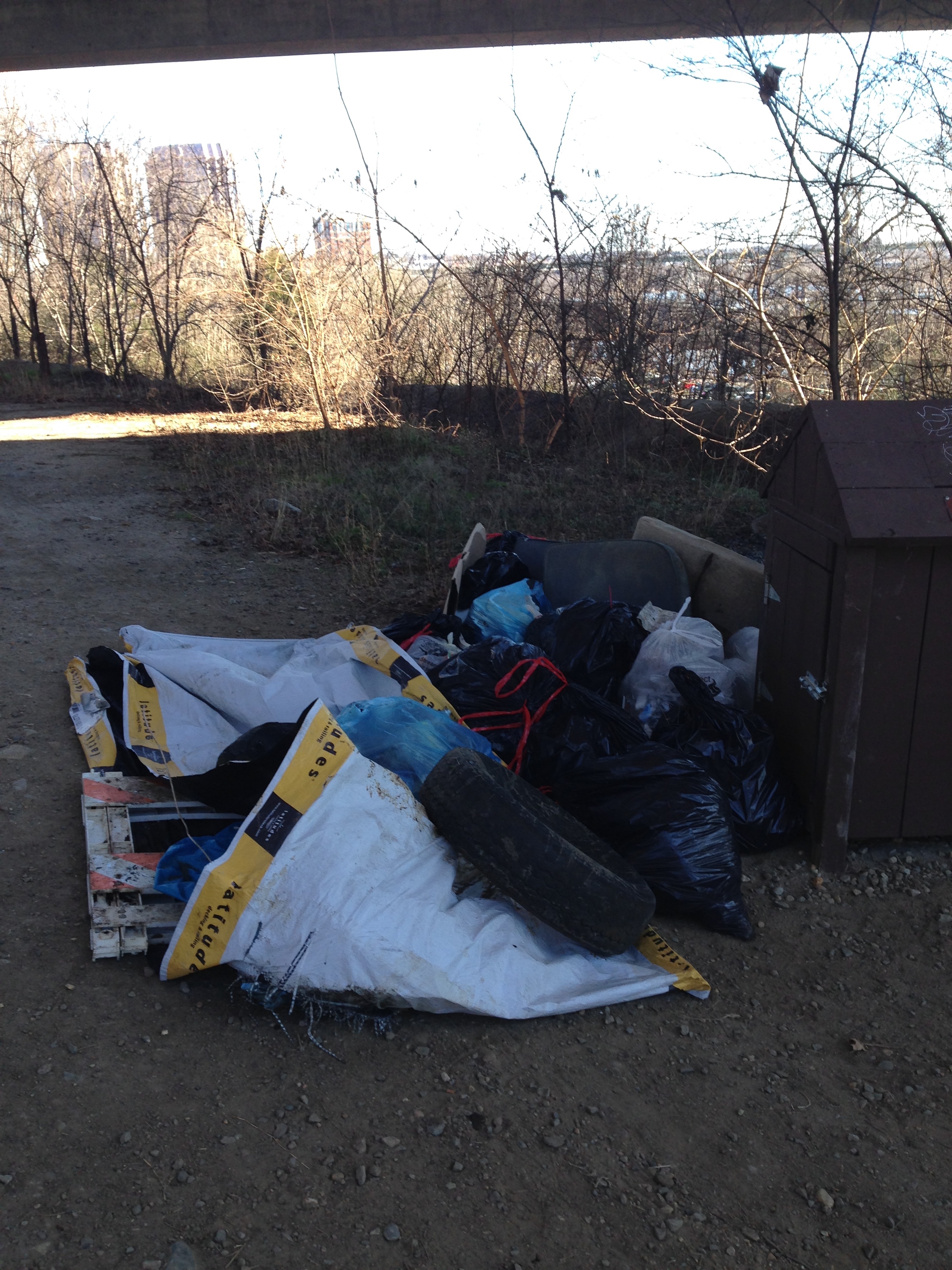
Took part in the Shiver in The River cleanup this morning. Started by myself picking up the smaller bits of plastic and cigarette butts on 5th Street and near Tredegar but gradually worked over to the riverfront between Tredegar and Lee Bridge with some likeminded folks. Other groups of volunteers worked on other parts of the riverfront area.
IMG_3948
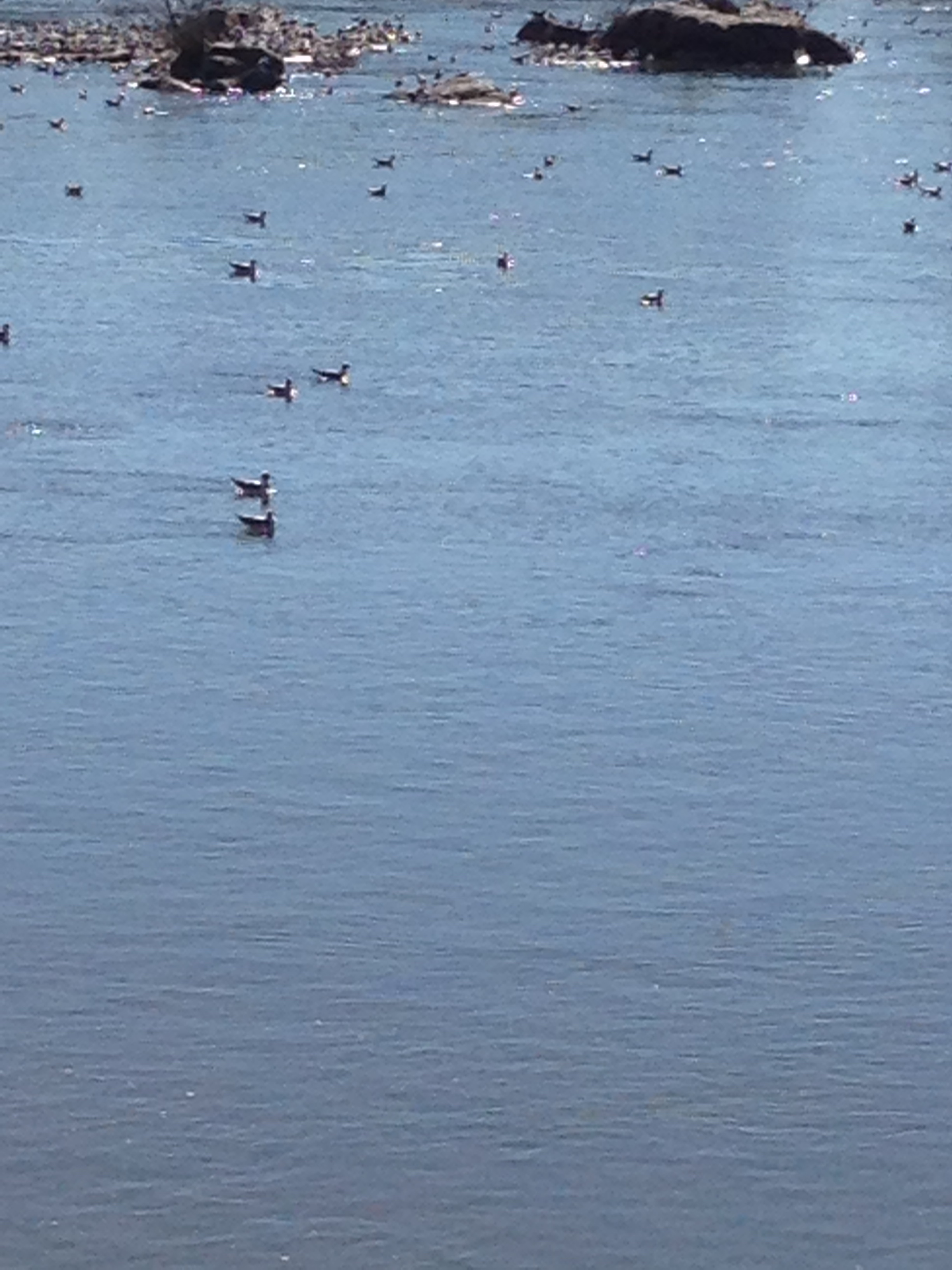
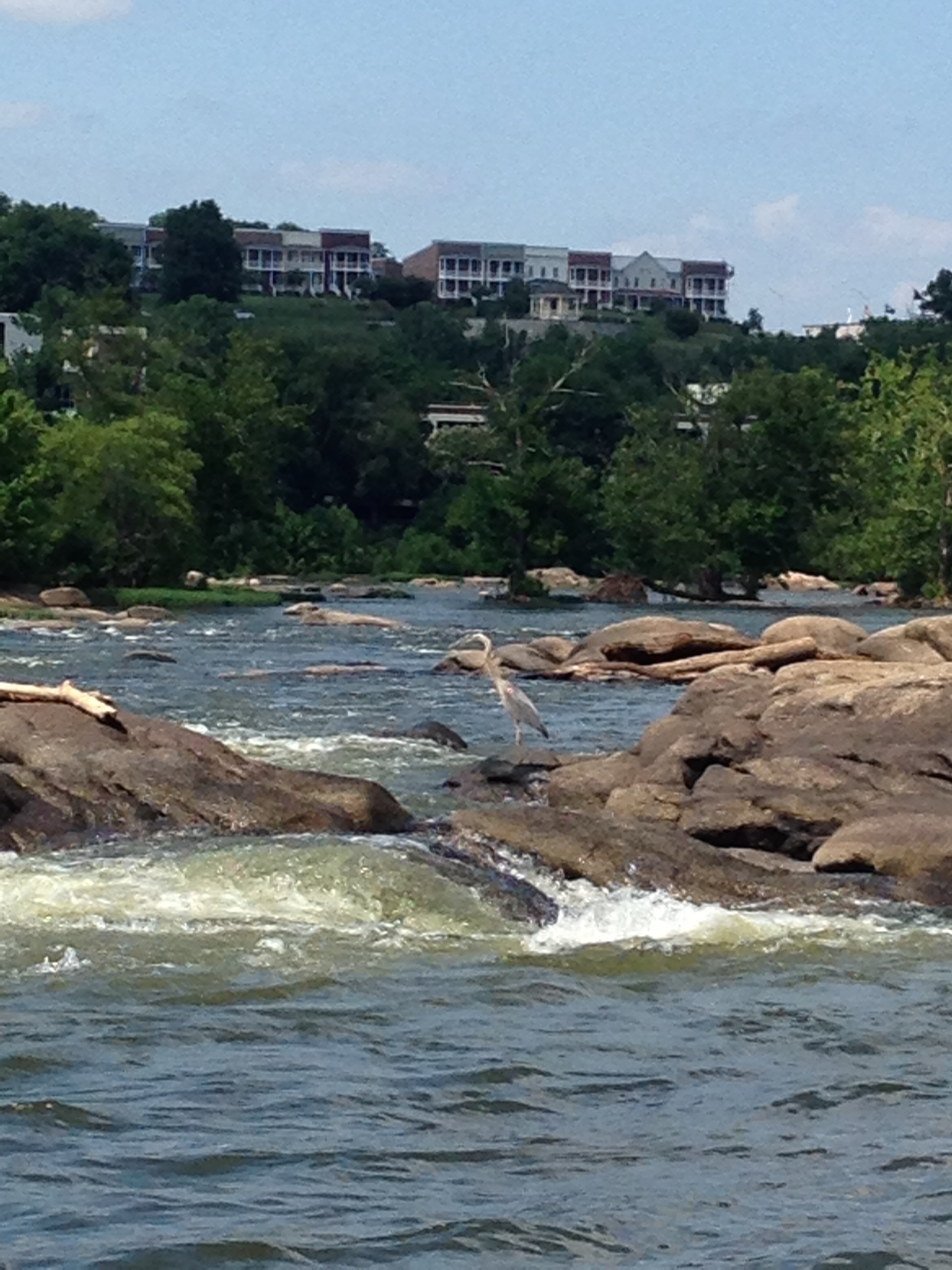
It was a beautiful day for it and there were plenty of birds enjoying the sun and river.
IMG_3947
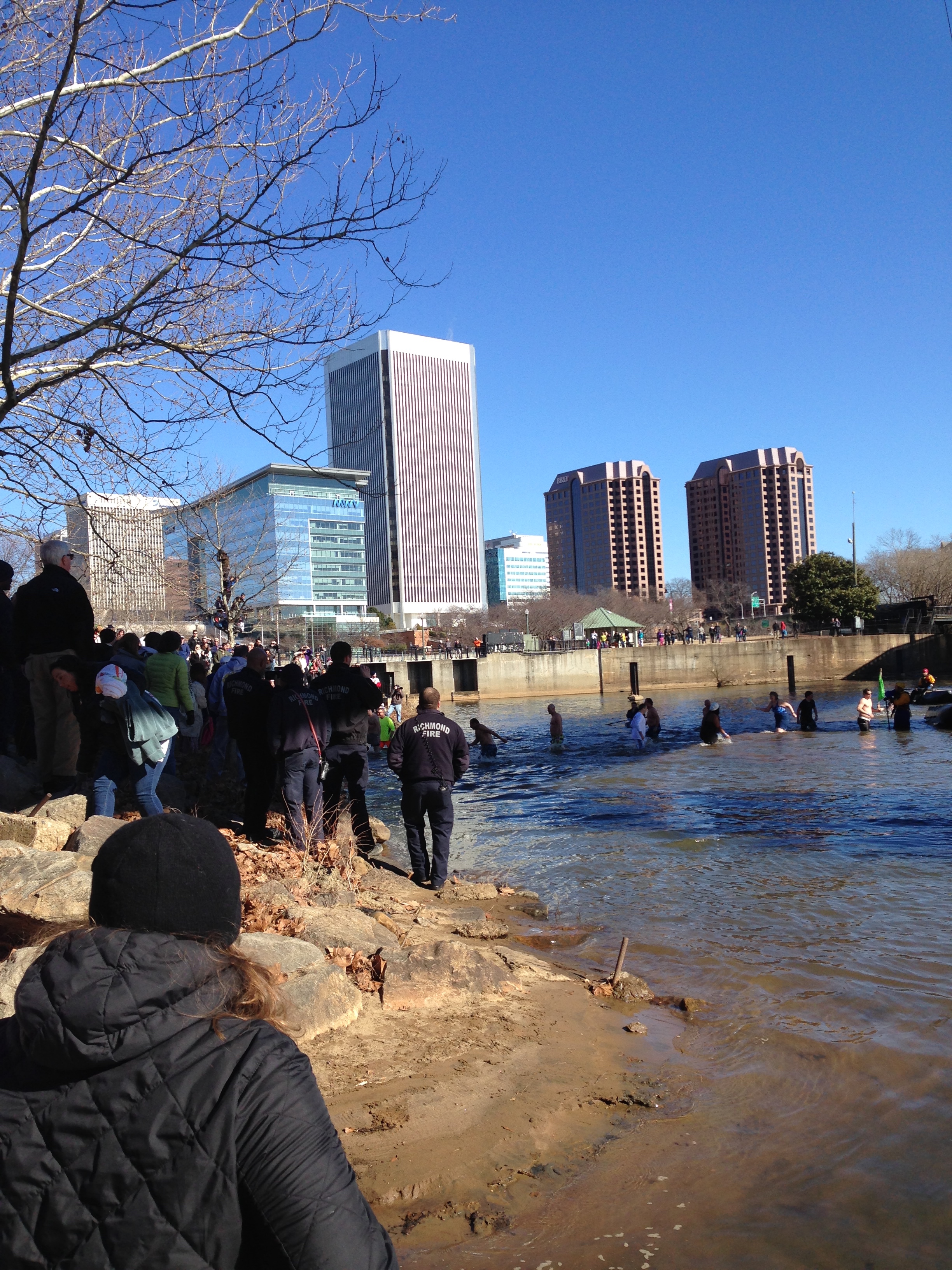
Some were able to find sponsorship for jumping in the river after the cleanup was over.
IMG_3949
Our dedicated Councilperson Parker Agelasto was there, as well as members of RVA Clean Sweep. (They have an upcoming cleanup for the Randolph neighborhood scheduled, for those inclined.)
Overall, a good first annual event and congratulations to Keep Virginia Beautiful for hosting it. Maybe Oregon Hill can sponsor a team for it next year. In the meantime, it looks like VCU’s Paint The Town Green event is scheduled for April 18th. If folks would like to volunteer for it and other neighborhood cleanups, please contact Cherry Street resident Jimmy Blackford at prairiegates at hotmail.com or (804) 335-5808.

2nd Grade Violin Debut

From St. Andrew’s School blog:

All St. Andrew’s School students have been learning to play the violin this year. Today, the second grade class showcased their achievements in a small group recital where they performed for an audience that included the 5th grade class, parents, staff, and teachers.

Ms. Ellerbe, our Music teacher, has been teaching the children to play the violin in small groups (up to eight children) twice per week. For today’s recital, she lead each group as they performed, Pizzicato (named for a playing technique that involves plucking the strings of the violin ), Mary Had a Little Lamb, and Hot Cross Buns. Performances by each group were captured and are featured below.

After a very successful debut, the children are now looking forward to performing again at the Spring Concert. The concert will be held in Baldwin Hall on Monday, May 19, from 6:00-7:00 p.m. (it will begin after the Family Association Meeting and Dinner).

There’s also been otter sightings outside the school:

10154075_10152287353874420_1663541795_n

From their Facebook page:

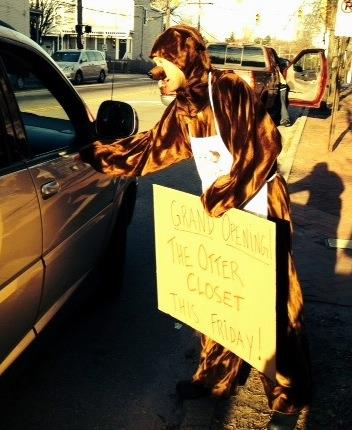
The Otter Closet will sell gently used clothing…but here’s the cool part: proceeds will be divided and half will support our school’s violin program while the other half is donated to Full Circle Grief Center. In addition, students will help run the shop, incorporating their economics lessons into this real-life effort. Everybody benefits!

Lost Cat Maru

From Craigslist ad:

00u0u_1vwodCTKKM2_600x450

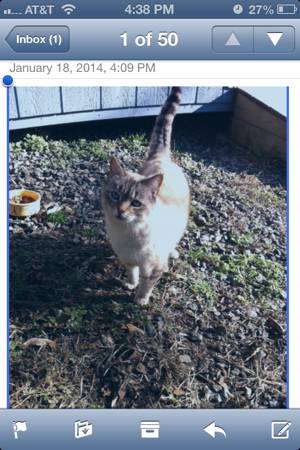
Lost cat in Oregon hill! Slipped out the door late last night. Her name is Maru. She’s very sweet and friendly. Gray in color and a bit chubby. She may be timid and scared. She’s very loved and missed. Her home is located across from mama zu’s. please contact if you have seen her!

SQUIRRELS!

Next time you see a squirrel in Monroe Park, you might want to consider their origin. A new paper in the Journal of American History covers The Urbanization of the Eastern Gray Squirrel in the United States:

The urbanization of the gray squirrel in the United States between the mid-nineteenth century and the early twentieth century was an ecological and cultural process that changed the squirrels’ ways of life, altered the urban landscape, and adjusted human understandings of nature, the city, and the boundaries of community.

Given the present ubiquity of gray squirrels, it may be difficult to believe that they have not always been common in American cities. In fact, they seem to have been entirely absent during the first half of the nineteenth century. The lack of systematic surveys before the twentieth century hinders estimates of the size of historical squirrel populations, which can fluctuate dramatically from year to year depending on food supplies, weather conditions, and other factors.

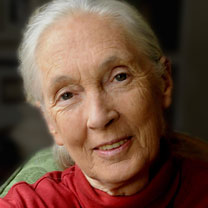
Dr. Jane Goodall Speaking At The Landmark Theater Tonight

The last speaker for the 2013 season of the Richmond Forum is a good one.

In July 1960, at the age of 26, Jane Goodall traveled from England to what is today Tanzania and bravely entered the little-known world of wild chimpanzees. In the more than 50 years since, she has become an international icon, a United Nations Messenger of Peace, and a tireless advocate for environmental stewardship. Dr. Goodall will take us into the world of the Gombe chimpanzees, discuss the current threats facing the planet, and share her reasons for hope in these complex times.