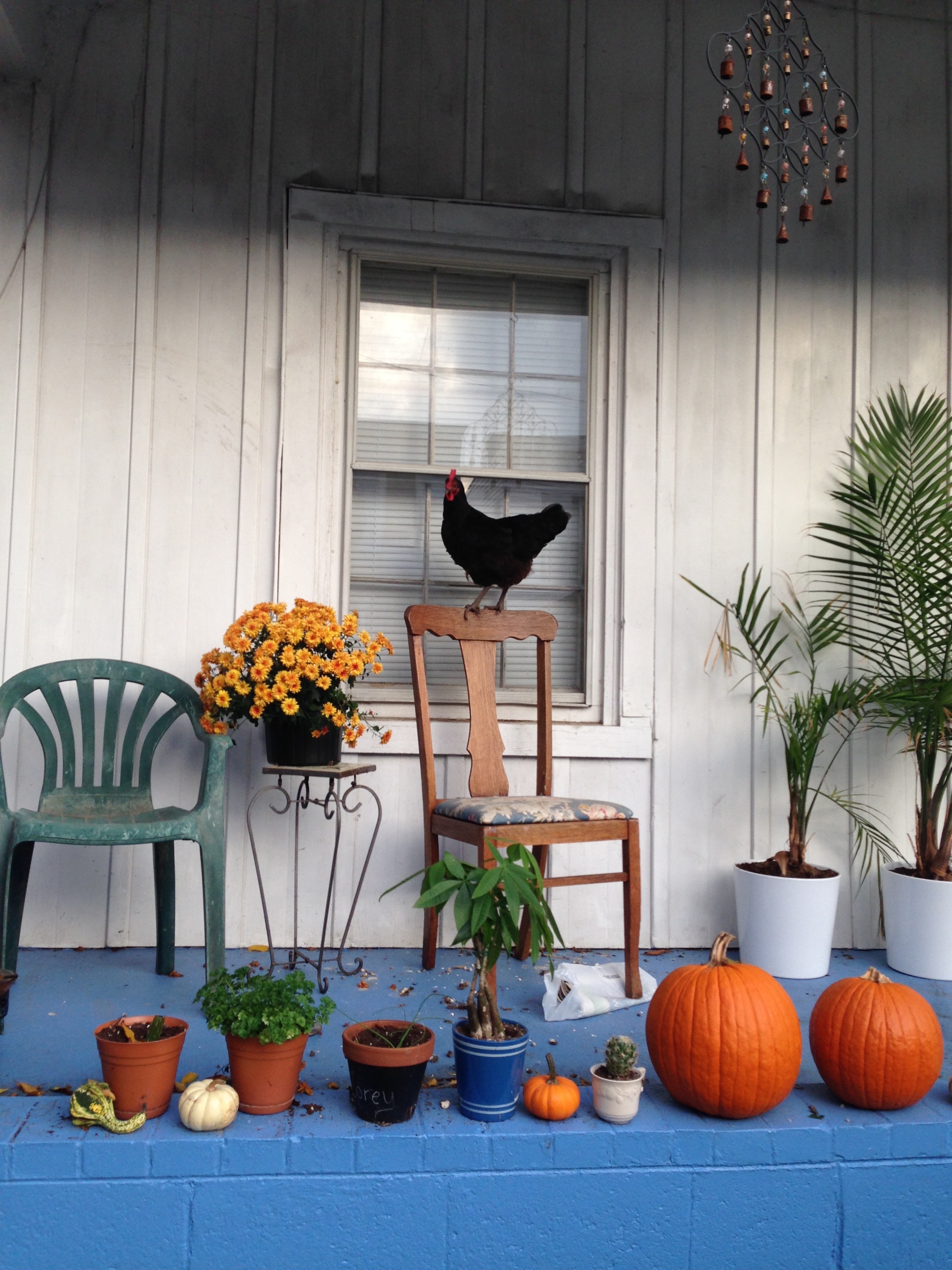
Laurel Street Chicken
Reply

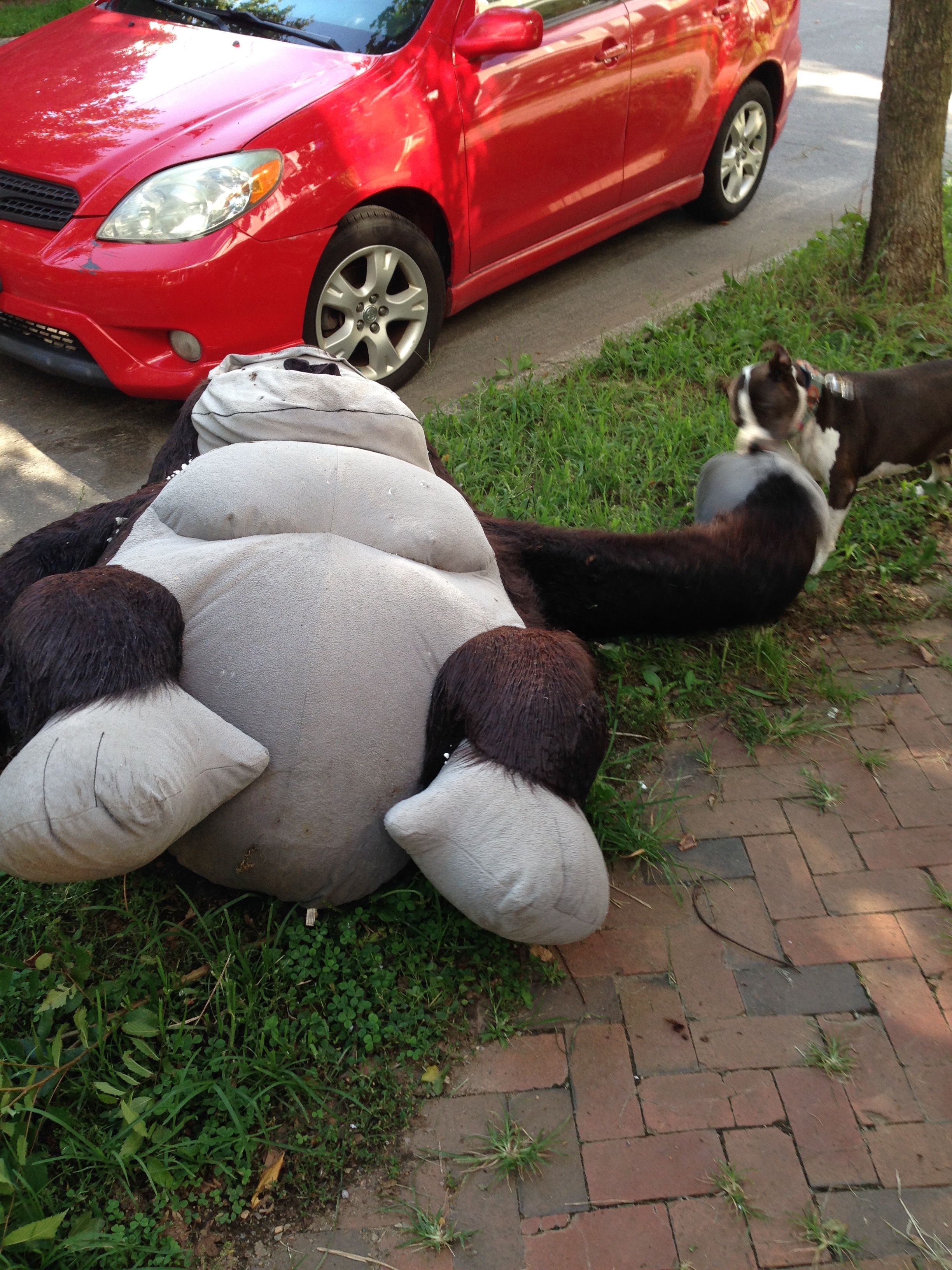
Yes, this trash/bulk pickup has already been reported to SeeClickFix, the City’s service app.
And yes, the playing pitbull was disallowed from disembowling the monkey. Hopefully the monkey will get picked up before plastic goes everywhere. This encounter was not quite as action packed as bear vs. pitbull.
Many Oregon Hill residents love having birds in the neighborhood and recognize how lucky we are that we get a lot bird traffic due to nearby James River Park and Hollywood Cemetery, which serve as havens for wildlife and important stops for bird migrations.
A new study published last month in the journal Urban Ecosystems tries to determine what economic value residents in two comparable cities place on having birds in their backyards and parks.
From an article on the study:
“This paper shows that our interactions with birds actually have a pretty high economic return to the community where you live,” said John Marzluff, a University of Washington professor of environmental and forest sciences and the paper’s co-author. “We know that having a livable, green community that attracts birds also increases the value of homes in that area. This paper shows there’s an economic service birds are providing.”
It’s something to consider as development pressures and increased riverfront activity come to bear. There is a lot at stake.
Todd was Correspondent for the Day with an eloquent letter asking Richmond to ban the use of bullhooks on circus elephants be banned in Richmond. Todd inspired a City Council resolution, still under consideration, to ban bullhooks on elephants in Richmond. This impending resolution was in part responsible for the Ringling Bros. circus to announce that they will retire their elephants by 2018.
To quote from today’s lead editorial:
Todd Woodson attended the March 4 event honoring The Times-Dispatch’s 2014 Correspondents of the Day. His Sept. 29 letter called on Richmond to ban the use of bullhooks when training circus elephants. On March 5, Ringling Bros. announced it would phase out elephant acts. It cited changing attitudes among the reasons for its decision. Woodson expressed sentiments embraced by a growing number of Americans. He made a difference.
After the Ringling Bros. announcement, Woodson forwarded an excerpt from Dostoyevsky’s “The Brothers Karamozov”: “Love the animals: God gave them the rudiments of thought and an untroubled joy. Do not trouble them, do not torment them, do not take their joy from them. Do not go against God’s purpose. Man, do not exalt yourself above the animals: they are sinless.”
Woodson also is one of central Virginia’s most accomplished jazz musicians. The designation “Renaissance Man” applies to him.”
A recent press release from Virginia’s Department of Conservation and Recreation:
Kudzu and bamboo and privet! Oh my! New list identifies invasive plants in Virginia
National Invasive Species Awareness Week runs through Saturday.
RICHMOND — Virginians considering adding English ivy, golden bamboo or Japanese barberry to their yards may want to reconsider. These plants — and 87 others — are on the Virginia Department of Conservation and Recreation’s new list of non-native invasive plants of the state (PDF).
While the list is helpful to land managers and conservationists, home gardeners can use it to make wise decisions about landscaping. The list is for educational purposes only and has no regulatory authority.
“Planting anything on this list could affect adjacent natural areas,” said Kevin Heffernan, DCR Natural Heritage stewardship biologist. “Gardeners should think twice about planting anything that might be aggressive in their yard, especially if they live near a park or a forest.”
Invasive plants can displace native plant species, reduce wildlife habitat and alter ecosystems. They threaten natural areas, parks and forests. In the United States, they cost an estimated $34 billion annually in economic loss.
Invasive, non-native plant species typically:
• Grow and mature rapidly.
• Produce seed prolifically.
• Are highly successful at germination and colonization.
• Outcompete native species.
• Are expensive to remove or control.DCR Natural Heritage scientists used a risk-assessment protocol to determine an invasiveness rank for each species listed. Species were assigned a high, medium or low level of invasiveness in Virginia.
The list also includes species that may not be established in Virginia but are known to be invasive in habitats similar to those found here. These are referred to as “early-detection” species. If they are discovered in Virginia, the goal for these species is eradication to prevent their establishment and spread. People who spot these in Virginia should notify DCR.
One example of an early-detection species is wavyleaf grass (PDF) (Oplismenus hirtellus subspecies undulatifolius). It’s been seen in nine Northern Virginia counties and has the potential to become widespread. A native of southern Europe and Southeast Asia, wavyleaf was first discovered in the United States in 1996 in Maryland. It ranks as highly invasive on DCR’s list.
Monitoring and preventing the spread of invasive plants is a major focus for DCR scientists and land managers. This work is often conducted with the help of volunteers. The Virginia Invasive Species Management Plan (PDF) outlines challenges and strategies associated with combating invasive plants and animals.
Many invasive plant species arrived as packing material or seed contaminants and became established. The spread of plants such as Japanese stiltgrass (Microstegium vimineum), kudzu (Pueraria montana variety lobata) and common reed (Phragmites australis subspecies australis) has wreaked havoc on Virginia natural areas.
Links to more information
Virginia Invasive Species Working Group
www.vainvasivespecies.org
Virginia Department of Conservation and Recreation – Natural Heritage Program
www.dcr.virginia.gov/natural_heritage/invspinfo.shtml
National Invasive Species Awareness Week
www.nisaw.org
From the Craigslist ad:
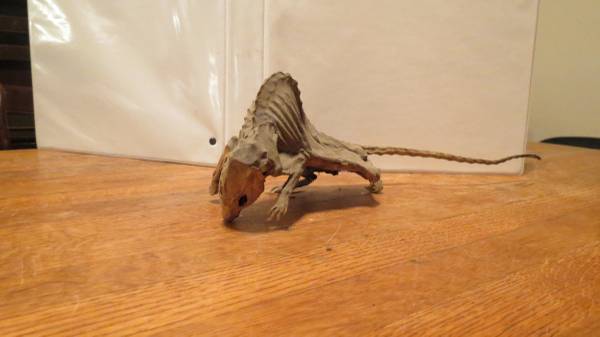
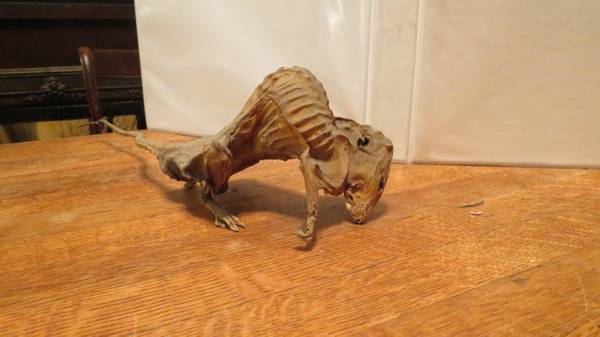
No Kidding- I found a mummified rat while demoing a house in Oregon Hill. Died Standing upright. Looks great on a mantle.
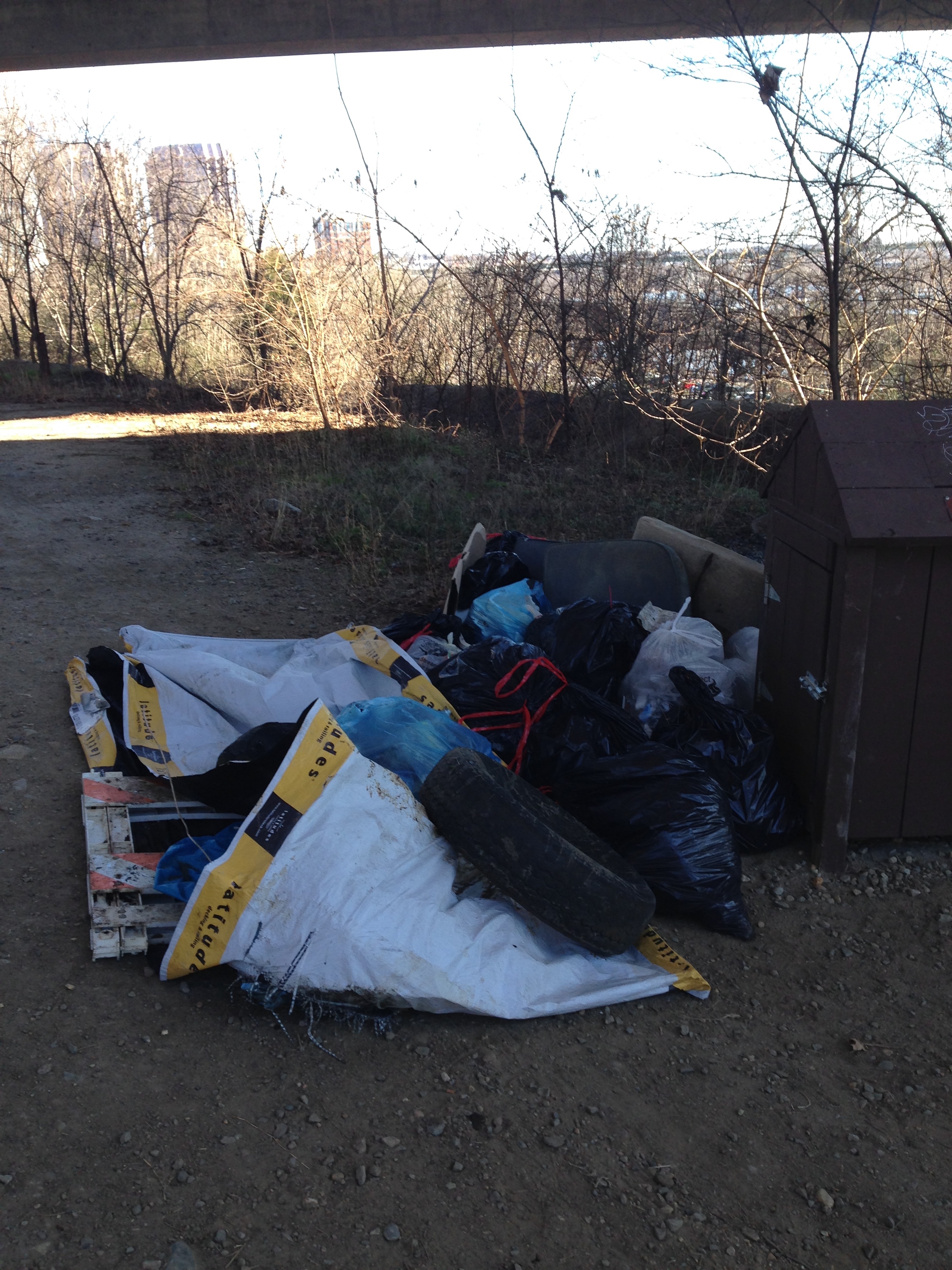
Took part in the Shiver in The River cleanup this morning. Started by myself picking up the smaller bits of plastic and cigarette butts on 5th Street and near Tredegar but gradually worked over to the riverfront between Tredegar and Lee Bridge with some likeminded folks. Other groups of volunteers worked on other parts of the riverfront area.
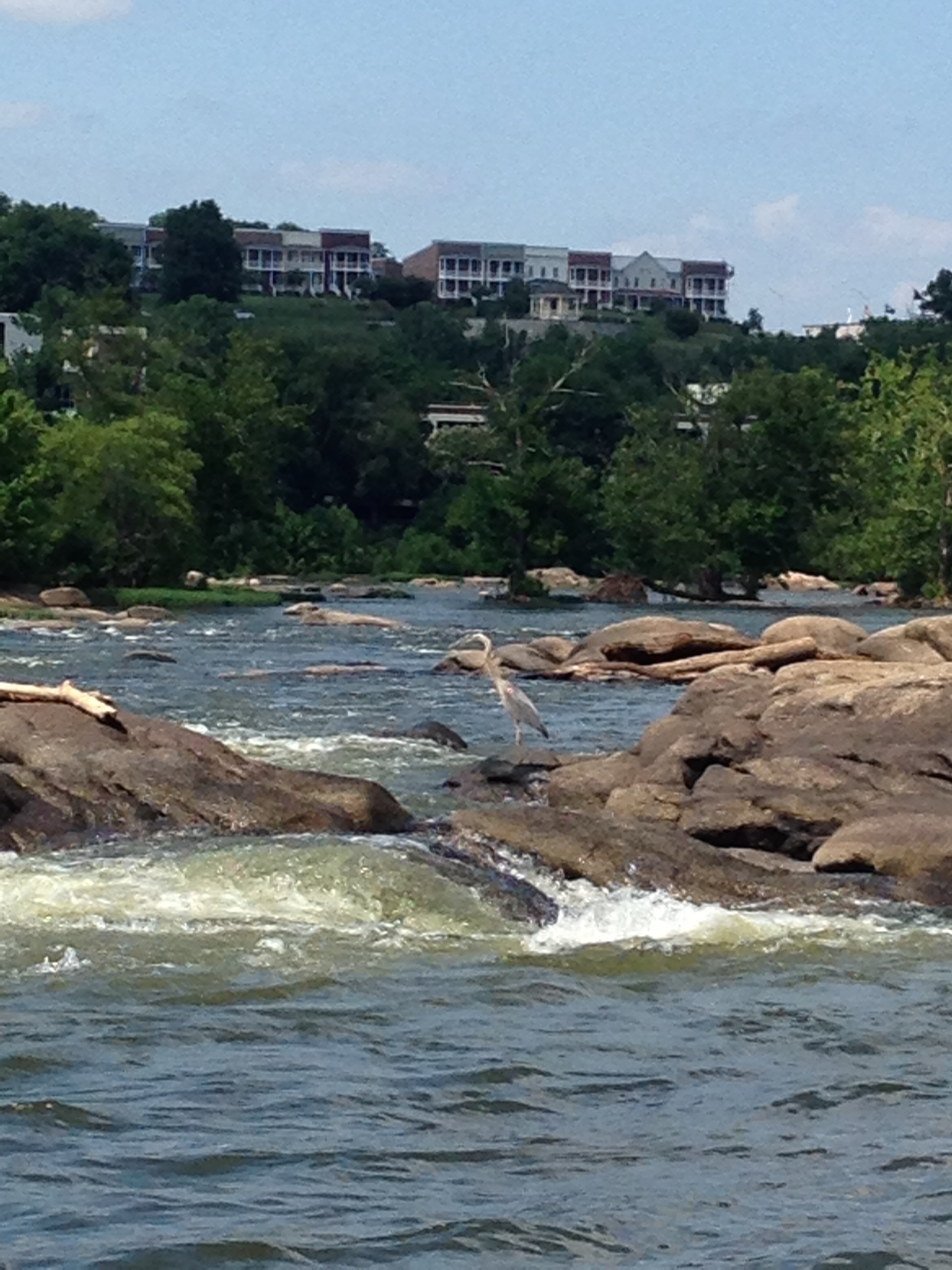
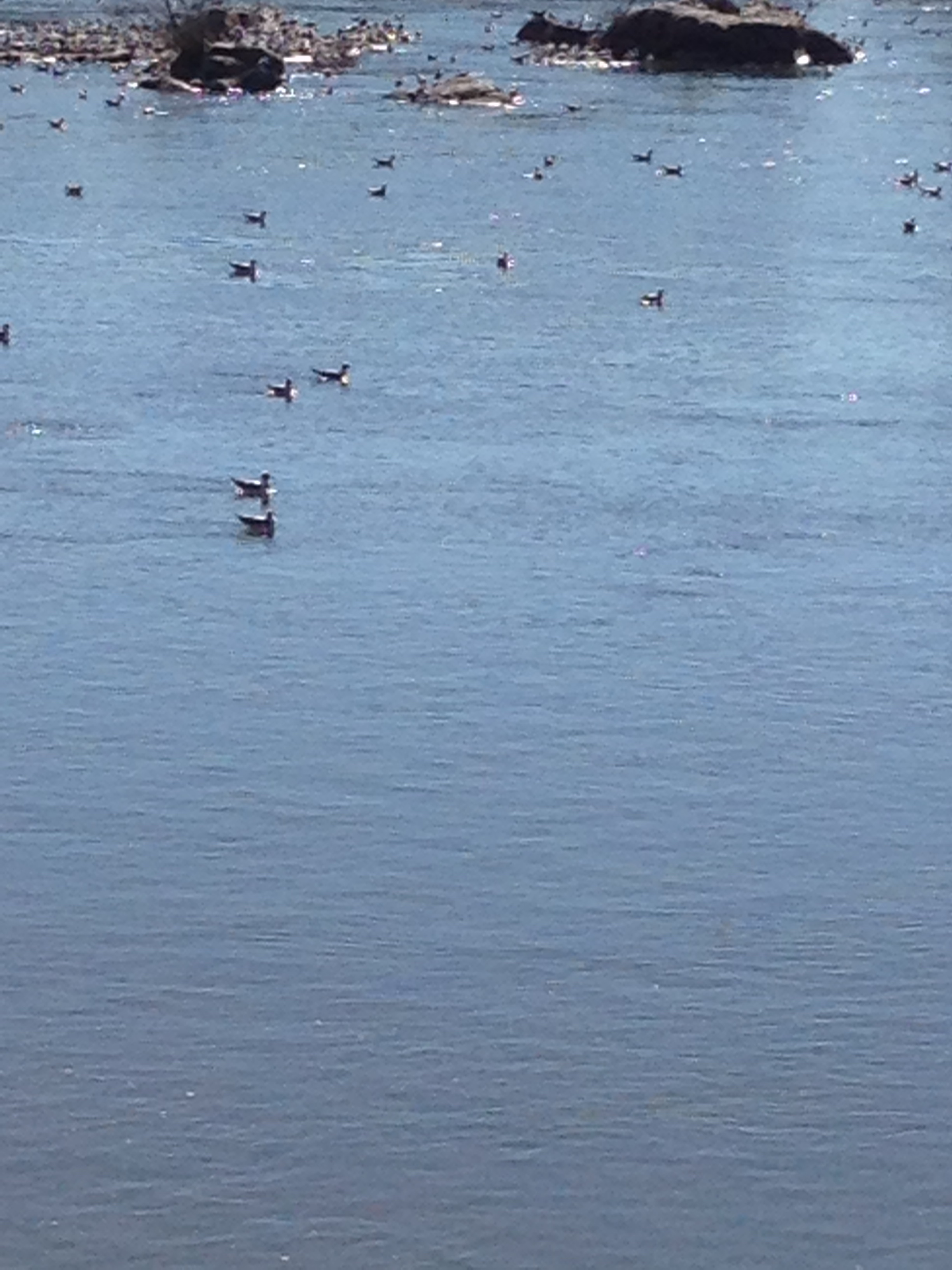
It was a beautiful day for it and there were plenty of birds enjoying the sun and river.
Some were able to find sponsorship for jumping in the river after the cleanup was over.
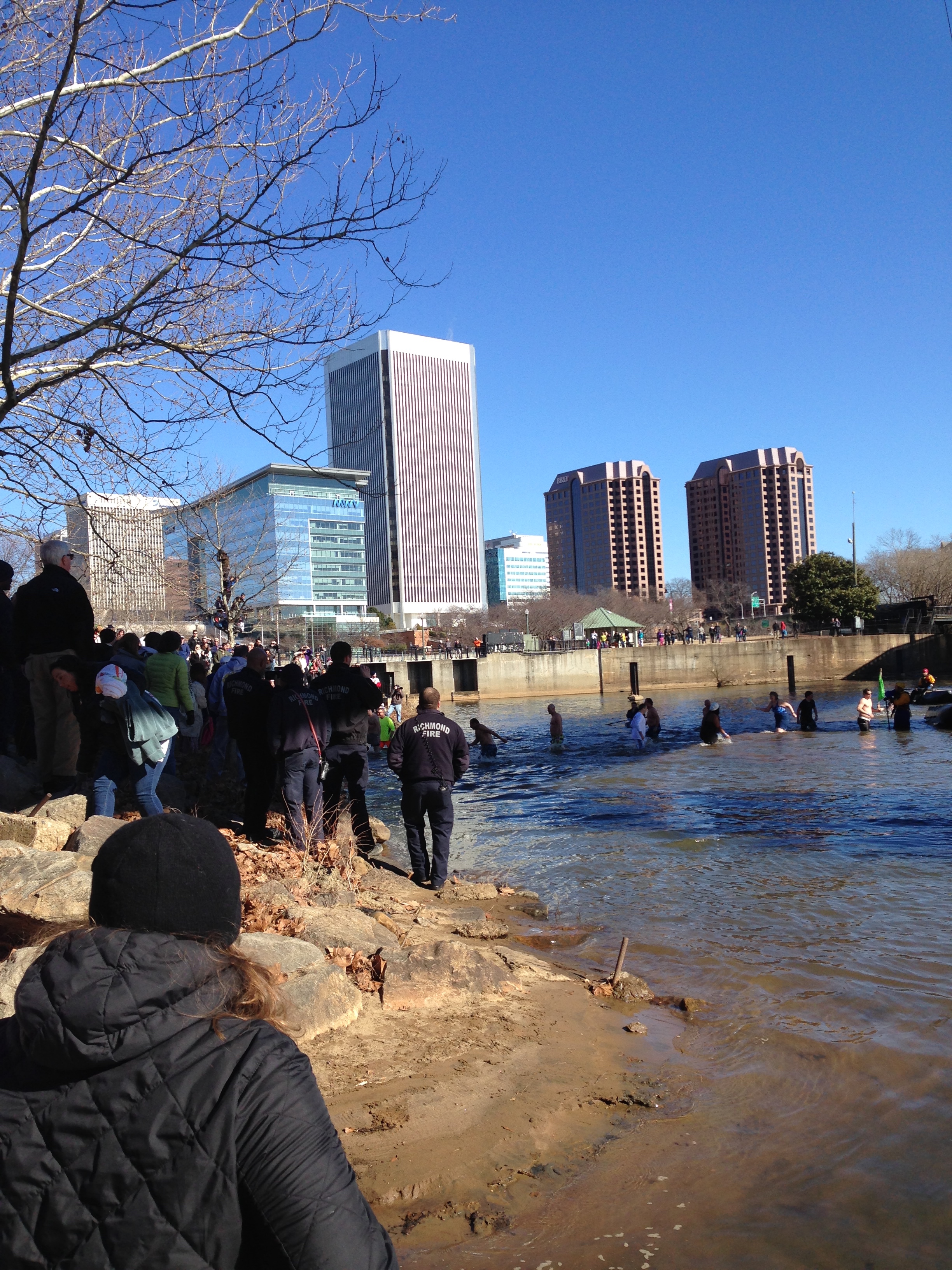
Our dedicated Councilperson Parker Agelasto was there, as well as members of RVA Clean Sweep. (They have an upcoming cleanup for the Randolph neighborhood scheduled, for those inclined.)
Overall, a good first annual event and congratulations to Keep Virginia Beautiful for hosting it. Maybe Oregon Hill can sponsor a team for it next year. In the meantime, it looks like VCU’s Paint The Town Green event is scheduled for April 18th. If folks would like to volunteer for it and other neighborhood cleanups, please contact Cherry Street resident Jimmy Blackford at prairiegates at hotmail.com or (804) 335-5808.
Corner of Laurel and China this morning..